 Rabbi for Jewish Wedding: how to find an experienced officiant in Spain, Portugal and Europe
 Rabbi for Jewish Wedding: how to find an experienced officiant in Spain, Portugal and Europe
Many couples who wish to celebrate a Jewish wedding begin their search with one very specific word: rabbi. Sometimes they write “rabbi for Jewish wedding”. Other times, they search directly in English for “Rabbi for Jewish Wedding”. In both cases, the intention is usually the same: to find someone who can give shape to a deeply meaningful moment, without turning it into something distant or hard to understand.
Behind that search there is usually more than a religious question. Emotion is involved, along with responsibility and the desire for that day to carry weight, memory and truth. A Jewish wedding is not just a rite; it is a point of connection between history, family and future.
When someone searches for “rabbi for Jewish wedding”
When a couple writes “rabbi for Jewish wedding”, they are rarely thinking only of a formal figure reciting an ancient text. More often, there is a more intimate question behind it: how to transform a millennia-old tradition into a living experience, one that moves those standing under the chuppah and also those who surround them.
They are looking for reassurance. Someone who can hold the ceremony with confidence and sound judgment. But they are also looking for closeness. A ceremony that is not a block of unfamiliar words, but a narrative that accompanies, explains and connects. A ceremony with real Jewish structure, yes, but also with rhythm, sensitivity and an emotional thread that makes the moment memorable many years later.
The Jewish wedding today: tradition in dialogue with real life
Jewish tradition offers a solid foundation for marriage. The chuppah, the blessings, the ring, the breaking of the glass. Each element carries deep meaning. Yet the way this tradition is expressed has changed over time, because couples themselves have changed.
Today there are classical Jewish weddings, but also interfaith weddings, egalitarian weddings and weddings between people of the same sex. In all of them, the same need appears: to celebrate an authentic Jewish ceremony that does not contradict the couple’s real life, but rather embraces it.
That is why, when someone looks for a rabbi for their wedding, what they truly need is someone who knows how to read the tradition with respect and apply it with intelligence and sensitivity.
Egalitarian Jewish weddings and weddings between people of the same sex
More and more couples are looking for a Jewish ceremony that fully represents who they are. This includes egalitarian Jewish weddings and Jewish weddings between people of the same sex. In these cases, the challenge is not to “adapt” tradition superficially, but to work with it from within, with care and coherence.
A well-constructed egalitarian Jewish wedding does not lose depth. On the contrary. When the language is precise, the symbols are clearly explained and the structure is preserved, the ceremony gains strength. It becomes a space where both people recognize each other, commit to one another and place themselves within a Jewish story that is still alive.
Jewish education in service of the ceremony
For a Jewish ceremony to truly work, education and experience matter. Not as a display, but as a foundation. My path includes years of study at the Midrashá Yehuda Halevi, led by Rabbi Mordejai Edery Z״L, as well as studies at the Rabbinical College of America.
This background makes it possible to understand the deep meaning of each part of the ritual and, above all, to explain it with clarity and respect. In a wedding with guests from different cultural or religious backgrounds, this ability is essential so that everyone can feel included and connected to what is taking place.
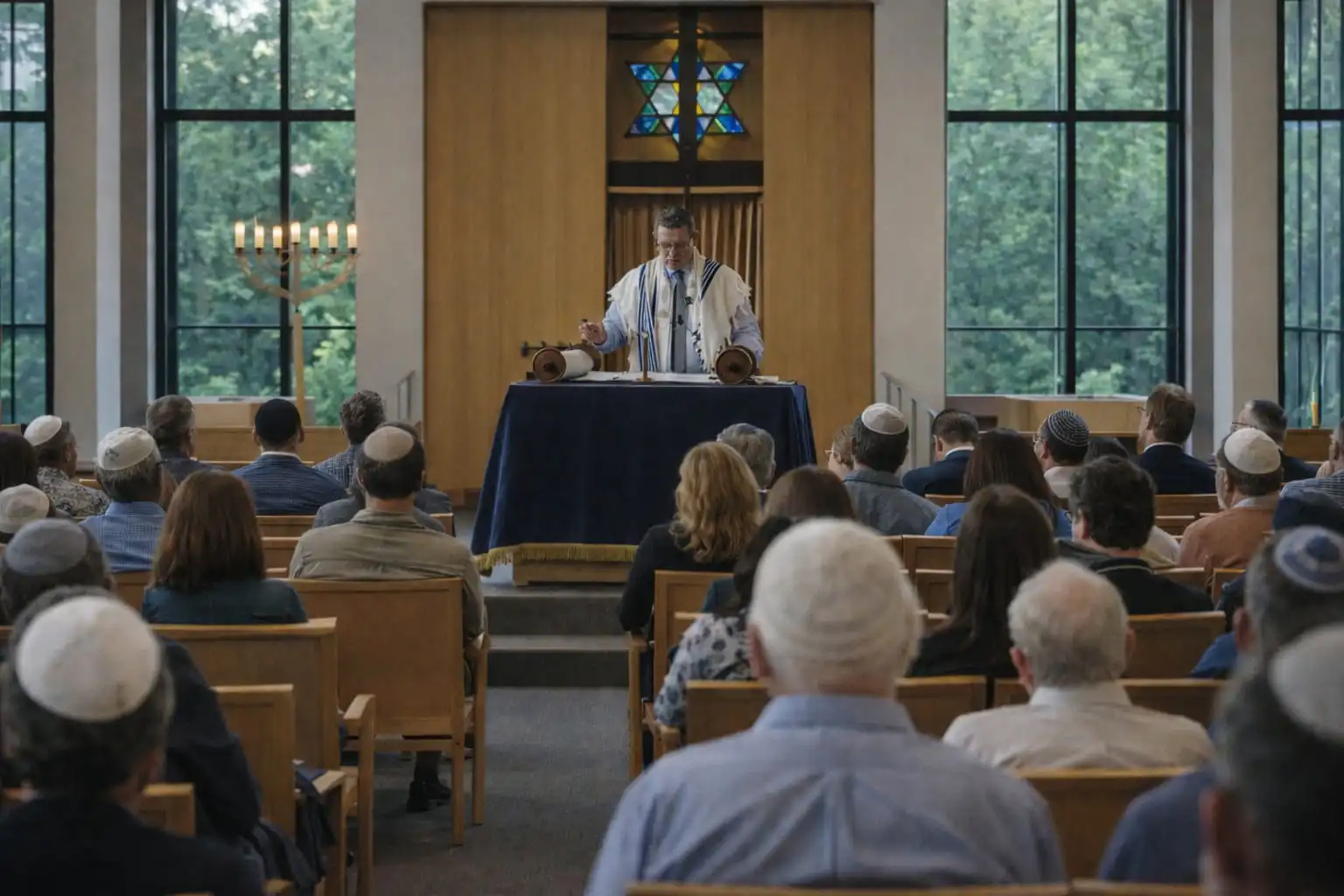
Jewish weddings in Spain, Portugal and throughout Europe
I officiate Jewish ceremonies in Spain, Portugal and in different countries across Europe. I work with local couples as well as with couples who live abroad and choose Europe as the destination for their wedding. These destination weddings require practical experience, flexibility and a real understanding of the timing and rhythm of an international celebration.
Each place has its own context, language and energy. The ceremony must adapt to that environment without losing its essence. Judaism is not tied to a specific territory; it is expressed wherever a couple chooses to build their home.
The rabbi as a reference, not the only model
The word rabbi will continue to be one of the most searched terms when speaking about Jewish weddings. That is natural. It is the best-known reference. But many couples discover during the process that what truly matters is not the title, but the ability to create a ceremony with meaning, emotion and coherence.
Choosing who officiates a Jewish wedding is an important decision. Not only because that person leads the ritual, but because they shape one of the most intimate and remembered moments in a couple’s life.
A ceremony that stays in memory
A well-officiated Jewish wedding is not remembered for the exact words, but for how it made people feel: the calm under the chuppah, the shared emotion, and the sense that the moment had both roots and future at the same time
If you have arrived here searching for “rabbi for Jewish wedding”, you may be at that moment of reflection. Understanding what kind of ceremony you want, and who can accompany you in that process, is the first step toward making that day truly yours.
If you are beginning to look for an officiant for a Jewish wedding in Spain, Portugal or anywhere in Europe, the first step is not choosing a title, but understanding what kind of ceremony you wish to experience. Talking it through with someone who knows the tradition and knows how to listen to your story can make all the difference.